Custom PHP App Development
We develop custom PHP applications around your specific workflows, business rules, and operational requirements. Each solution is designed to support your current needs while remaining flexible enough for future growth.






We develop PHP-powered SaaS products with user accounts, subscription management, billing workflows, and role-based access. Our solutions are designed to support product evolution, new features, and growing customer demand.
PHP has an extensive ecosystem of libraries, frameworks, tools, and hosting options. This gives businesses flexibility when selecting technologies and helps development teams build on established solutions rather than reinventing common functionality.
We design applications with clear trust boundaries, appropriate access controls, and secure handling of sensitive operations. Architecture decisions take into account the application's users, data, integrations, and potential attack surfaces.
We assess third-party dependencies and monitor relevant security advisories for the technologies used by an application. Where vulnerabilities affect the deployed environment, we prioritize appropriate updates, mitigation measures, and verification.
We implement server-side validation and authorization checks to ensure that users can access only the resources and actions permitted to them. Additional protections may include safe database queries, output encoding, and controls against common web application attacks.
We help protect applications against risks caused by exposed credentials, insecure defaults, and incorrect environment settings. Appropriate secret storage, restricted permissions, and environment-specific configuration reduce the likelihood of accidental exposure.
We use suitable security testing and code-review practices to identify weaknesses before and after deployment. Regular maintenance helps keep the PHP runtime, frameworks, dependencies, and supporting infrastructure within supported and secure configurations.
Outdated PHP versions can put your business at risk.
Critical PHP vulnerabilities, including security issues disclosed on October 21, 2026, highlight the importance of keeping your application and its dependencies up to date. Delaying security patches can expose your business to potential attacks, data breaches, service disruptions, and costly recovery efforts.
Don’t wait for a security incident to take action.
Our PHP development team helps businesses identify outdated components, assess security risks, upgrade PHP versions, patch vulnerabilities, and maintain applications in line with current security recommendations.

An interactive 3D web application for precision solar panel layout planning, energy forecasting, and automated proposal generation.
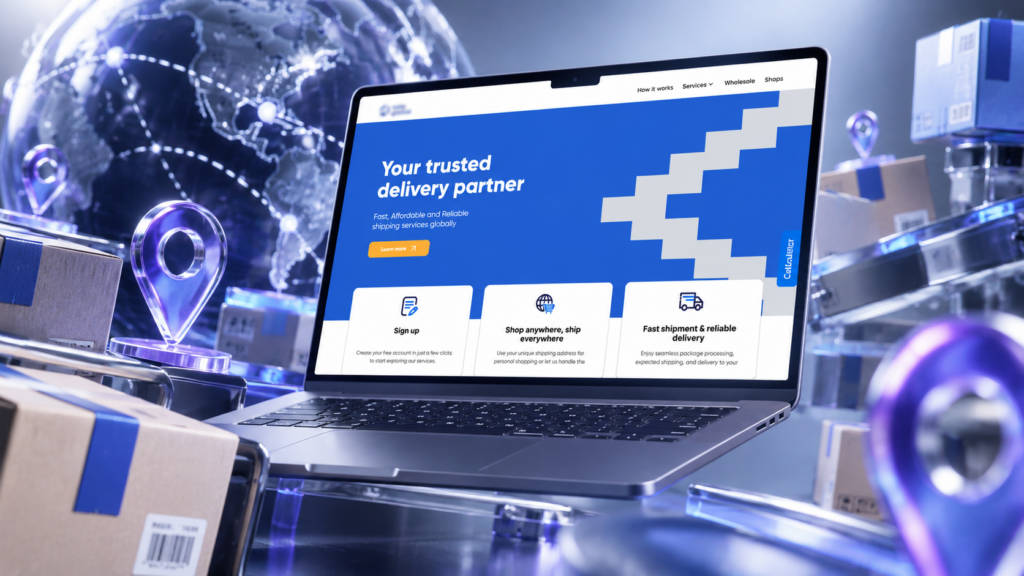
How Rensai Labs turned complex cross-border logistics into a simple customer journey – a cross-platform PWA with personal virtual addresses and real-time parcel tracking.
We follow a structured development process to deliver reliable PHP applications, from initial planning to deployment and ongoing support.

We analyze your business goals, user needs, and technical requirements to define the project scope and priorities.
We select the right technologies and design a scalable application architecture aligned with your business objectives.

We create intuitive user interfaces and interactive prototypes to validate the user experience before development begins.

We build application features and integrate them with your existing systems, APIs, and third-party services.
We test functionality, performance, and security to ensure the application meets quality standards before launch.

We deploy your application and provide ongoing improvements, updates, and maintenance as your business evolves.
At Rensai Labs, we combine technical expertise, a business-focused mindset, and a practical development approach to build PHP applications tailored to your needs. We help businesses turn ideas into reliable digital solutions designed to support growth, streamline operations, and evolve with changing requirements.





A dedicated team provides ongoing development capacity for products with evolving requirements and a continuous delivery roadmap. Team composition can be tailored to your needs, with relevant development, testing, architecture, and project coordination expertise.

Team augmentation adds PHP developers or other technical specialists to your existing team. This model can help address skill gaps, increase development capacity, or accelerate specific parts of your roadmap.

Ongoing maintenance helps keep your application compatible, reliable, and aligned with changing security requirements. Support may include bug fixing, runtime and dependency updates, performance improvements, and implementation of smaller enhancements.
Which software trends in the energy and utilities industry are already taking hold and will continue to define the market over the next five years? If you work in the energy sector, you likely know the broader trends well. This article looks at the landscape specifically from a software perspective: what IT capabilities you can […]
Net-zero goals have moved far beyond romantic environmental ideas. Today, software developers face an engineering challenge at epic scale. For decades, decarbonization was treated as the job of energy companies building solar farms and wind farms. But the economics have changed: according to the International Renewable Energy Agency, solar PV module prices have fallen by […]
PHP can remain a suitable choice for many business applications when the runtime, framework, and dependencies are properly maintained. The best technology decision depends on your requirements, existing systems, team expertise, performance needs, and long-term support strategy.
PHP can be used to build secure enterprise applications when security is addressed throughout design, development, deployment, and maintenance. Secure architecture, supported runtime versions, controlled access, dependency updates, and appropriate testing are all important parts of the process.
This section should summarize the vulnerabilities confirmed in the official PHP security announcements, including their identifiers, affected versions, potential impact, and available fixes. The final answer should link to authoritative advisories and avoid presenting unverified technical details as established facts.
The cost depends on the features, architecture, integrations, design, testing requirements, and expected support. A discovery discussion can help define the scope and establish a more meaningful estimate than a generic price range.
The timeline depends on the application’s complexity, the number of integrations, the availability of requirements, and the delivery team’s capacity. A defined initial scope and a phased implementation plan can help make delivery expectations more predictable.
Yes. Modernization may include upgrading the PHP runtime, refactoring legacy code, replacing unsupported dependencies, improving performance, and updating the architecture. The recommended approach depends on the application’s current condition and the level of operational risk.
Yes. Maintenance can include security updates, dependency management, bug fixes, performance optimization, compatibility improvements, and ongoing feature development. The support arrangement can be tailored to your application’s needs and operational priorities.
Yes. PHP applications can integrate with many internal platforms and third-party services through APIs and other appropriate integration methods. We assess the available interfaces, data requirements, authentication mechanisms, and reliability needs before selecting an approach.
Start by sharing your business objectives, existing application or product idea, required features, and any technical constraints. We can then discuss the scope, identify key risks, and recommend the next steps for planning and delivery.
Fill the form to request a quote: